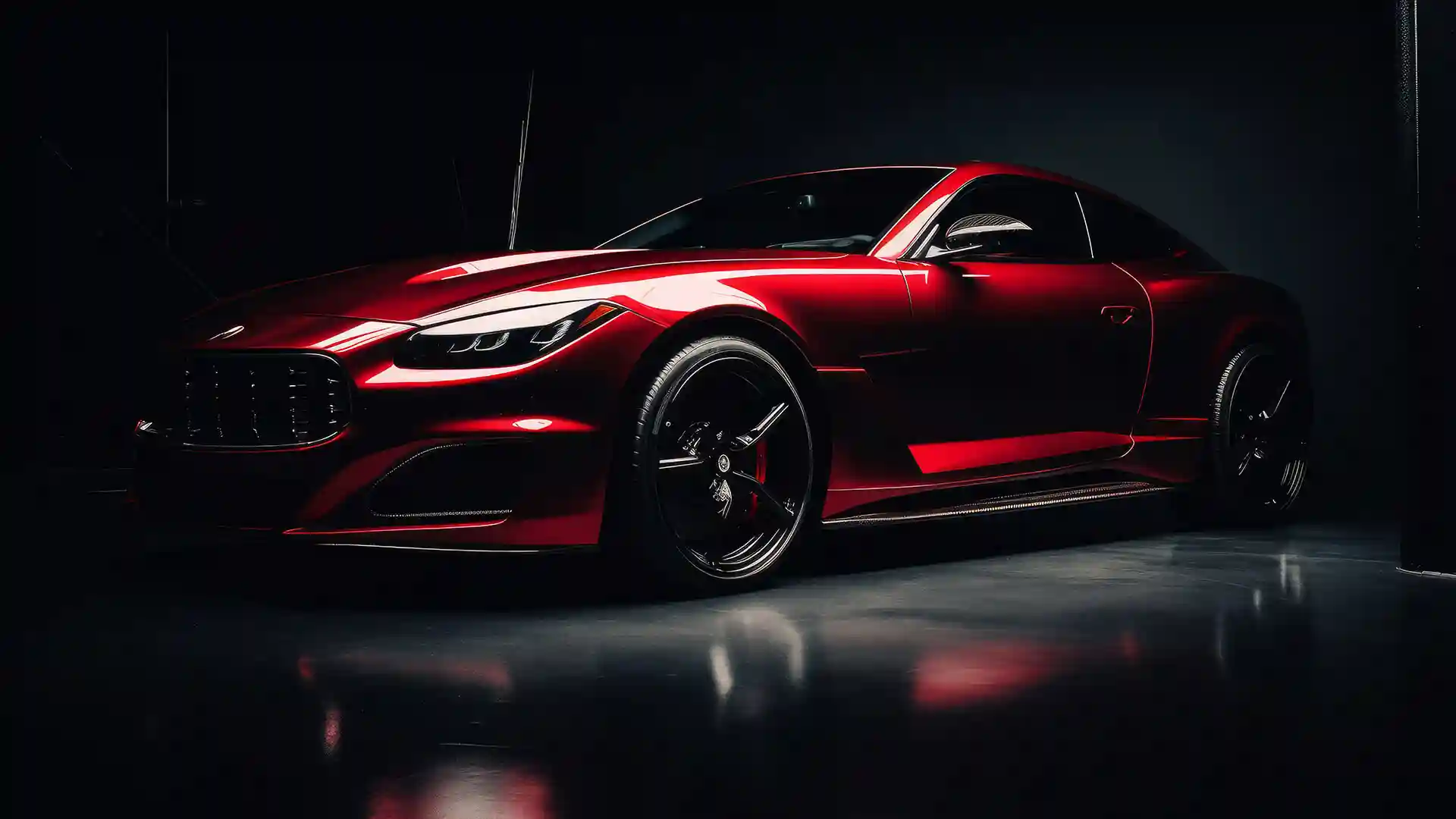
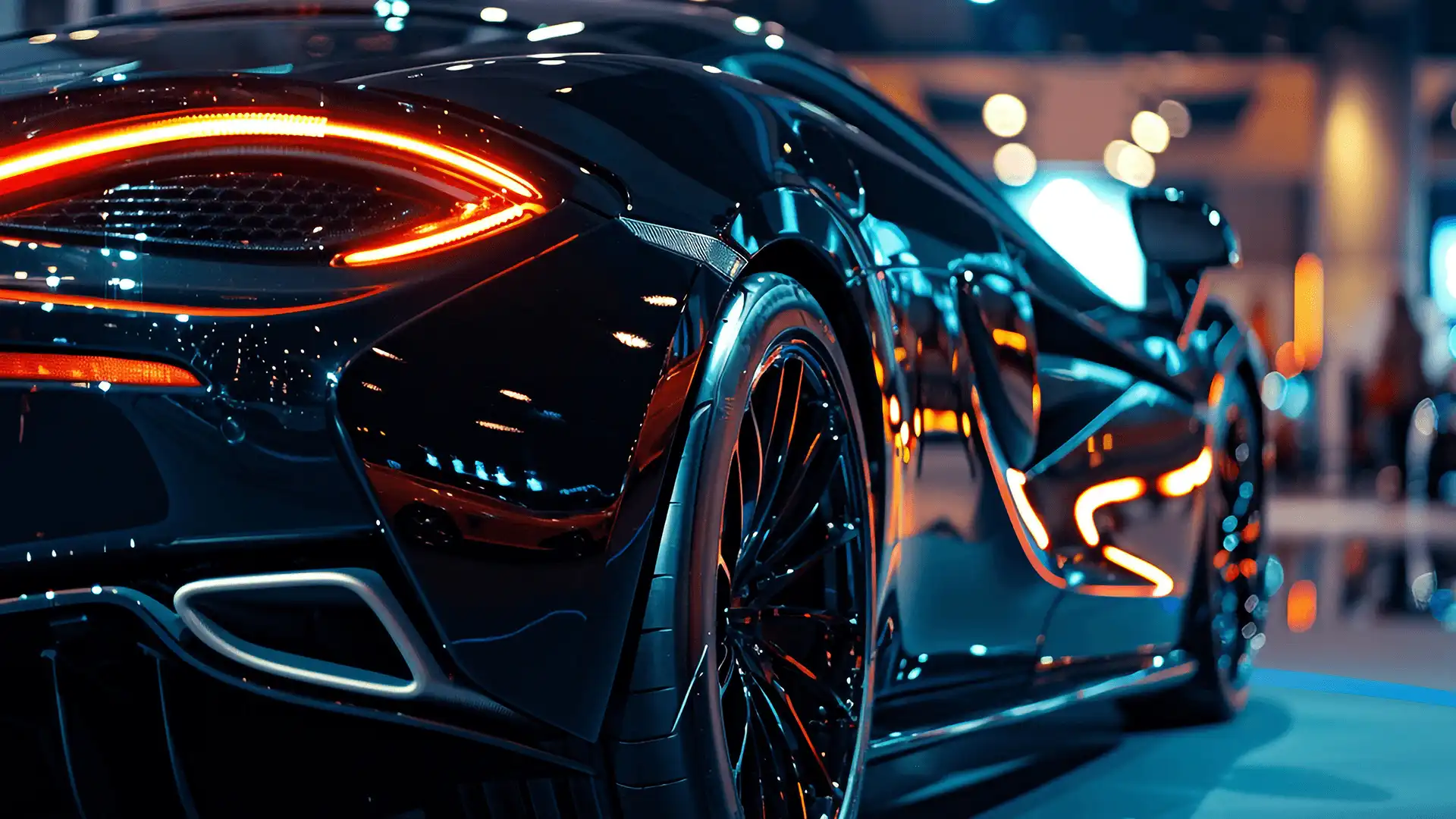
Custom auto painting has evolved beyond aesthetics. Waterborne paints and low-VOC formulas are reshaping the industry with greener chemistry, while color-shifting pigments and emerging customization trends are giving drivers more creative control than ever before.
The auto painting industry is changing fast. What was once a purely cosmetic process has become a testing ground for cutting-edge chemistry, environmental compliance, and artistic expression. Whether you’re restoring a classic car or customizing a daily driver, understanding these shifts helps you make smarter, more informed decisions.
This guide covers the most significant developments in custom auto painting—from waterborne paint systems to jaw-dropping color-shifting finishes—and what they mean for your next project.
What Are Waterborne Paints and Why Are They Taking Over Auto Shops?
Waterborne paints use water as the primary solvent instead of petroleum-based chemicals. This formulation dramatically reduces volatile organic compound (VOC) emissions during application, making them a cleaner alternative to traditional solvent-borne paints.
Major auto manufacturers—including BMW, Ford, and General Motors—have adopted waterborne basecoat systems across their production lines. Many professional body shops have followed suit, driven by both regulatory pressure and genuine performance advantages.
Here’s what makes waterborne systems stand out:
- Lower VOC emissions: Waterborne formulas can contain as little as 50–100 grams of VOCs per liter, compared to 350–500 g/L for conventional solvent-based paints.
- Color accuracy: Water-based carriers allow pigment to lay flat more uniformly, resulting in truer, more consistent color matches.
- Faster flash times: With the right application equipment, waterborne paints can dry quickly between coats, reducing turnaround time.
The trade-off? Waterborne paints require humidity-controlled spray environments and specific application techniques. Applied incorrectly, they can trap moisture and cause adhesion failures. Shops investing in proper training and equipment, however, consistently report excellent results.
How Do Low-VOC Regulations Affect Custom Auto Painting Choices?
Across North America and Europe, environmental agencies have tightened VOC regulations for automotive refinishing. In the United States, the Environmental Protection Agency (EPA) established National Emission Standards for Hazardous Air Pollutants (NESHAP) specifically for auto body shops, setting strict limits on VOC content in primers, basecoats, and clearcoats.
California’s Air Resources Board (CARB) has some of the strictest standards globally, which often serve as a benchmark for regulations in other states.
For custom painters and shop owners, these regulations translate into concrete operational changes:
- Product reformulation: Many legacy solvent-based coatings no longer meet current VOC thresholds, pushing shops toward compliant alternatives.
- Equipment upgrades: High-volume, low-pressure (HVLP) spray guns improve transfer efficiency and reduce overspray, which is now a compliance requirement in many jurisdictions.
- Record-keeping requirements: Some regulations require shops to track and document coating usage to demonstrate compliance.
The good news is that compliant products have improved significantly. Today’s low-VOC clears and primers perform on par with—and in some cases better than—older high-VOC formulas, particularly in terms of gloss retention and UV resistance.
What Are Color-Shifting Paints and How Do They Work?
Color-shifting paints, also known as chameleon or flip paints, contain microscopic metallic flakes or interference pigments that reflect different wavelengths of light depending on the viewing angle. The result is a dynamic finish that appears to shift between two or more colors as you move around the vehicle.
The most common pigment technology behind these finishes is aluminum flake coated with multiple layers of metal oxides. By controlling the thickness of these oxide layers, manufacturers can tune the color shift precisely—from gold-to-green, blue-to-purple, or even a full spectrum transition.
These paints are available in several forms:
- Pearlescent pigments: Subtle shifts, typically between two adjacent hues. Widely used by OEM manufacturers.
- Interference pigments: More dramatic shifts with higher contrast between tones.
- ChromaFlair® and similar flakes: Premium products with highly defined color flips, originally developed for currency printing.
Application requires skill. Color-shifting pigments are highly sensitive to spray pattern consistency—uneven application produces visible texture variations called mottling. Most professionals recommend practicing on test panels before committing to a full vehicle.
What Custom Auto Painting Trends Are Emerging Right Now?
Beyond paint chemistry, design trends in custom auto painting reflect broader shifts in culture, technology, and personal expression.
Matte and Satin Finishes
Matte finishes have moved well beyond niche appeal. Premium automakers like Porsche and BMW now offer factory matte options, which has pushed the finish into mainstream custom work. Matte clears require specific maintenance—conventional polishes will restore unwanted gloss—but their unique, flat appearance continues to attract enthusiasts.
Wrap-Inspired Paint Effects
Vinyl wraps have popularized multi-zone color schemes and graphics that were previously difficult to achieve with paint alone. Custom painters are now replicating these looks using hand-cut masking, multi-stage applications, and airbrush detailing. The result is a paint job with the permanence and depth of a sprayed finish and the complexity of a wrap design.
Bio-Based and Ultra-Low VOC Clearcoats
Some manufacturers are developing clearcoats derived partially from plant-based raw materials, reducing reliance on petroleum feedstocks. These bio-based clears aim to match traditional clearcoat performance while further reducing the environmental footprint of the refinishing process.
Textured and Specialty Finishes
Hammered metallics, candy coats over chrome bases, and stone-effect finishes are gaining traction in the custom community. These techniques are labor-intensive but produce visually distinctive results that are difficult to replicate—adding genuine exclusivity to a build.
The Road Ahead for Custom Auto Painting
Custom auto painting sits at an interesting crossroads. Tighter environmental standards are driving real innovation in paint chemistry, and that innovation is producing better, more durable, more expressive finishes than the industry has seen in decades. Waterborne technology has matured to where it delivers professional results across a wide range of applications. Low-VOC compliance is no longer a compromise—it’s a standard. And color-shifting and specialty finishes are more accessible than ever to skilled painters willing to develop the technique.
For anyone planning a custom paint project, the practical takeaway is straightforward: work with a shop that has invested in modern application equipment, uses compliant materials, and has demonstrable experience with the specific finish you’re after. Ask to see examples of their work with the technique you want. The technology has never been better—what separates results is still the skill and preparation behind the spray gun.
Frequently Asked Questions
Are waterborne paints as durable as solvent-based paints?
Yes. Modern waterborne basecoats, when properly applied and covered with a quality clearcoat, offer durability comparable to solvent-based systems. The clearcoat layer—not the basecoat—provides the majority of UV protection and scratch resistance in a modern paint system.
How much do color-shifting paints cost compared to standard finishes?
Color-shifting finishes typically cost significantly more than standard basecoats due to the higher price of interference pigments and the additional labor involved in achieving an even application. Expect to pay a premium of 30–100% or more over a standard metallic finish, depending on the complexity of the job.
Do low-VOC regulations apply to DIY painters?
In most jurisdictions, VOC regulations for automotive refinishing apply specifically to commercial body shops, not hobbyists painting in personal garages. However, using lower-VOC products is still advisable for personal health and environmental reasons, regardless of legal requirements.
What maintenance does a matte finish require?
Matte finishes should be cleaned with products specifically designed for matte or satin surfaces. Avoid conventional waxes, polishes, or glaze products—these will restore gloss in the treated areas and create uneven sheen across the panel.
Can color-shifting paint be applied over a standard base?
Most color-shifting pigments perform best over a black or very dark base, which allows the interference colors to appear clearly. Applied over lighter bases, the shift effect is often reduced or inconsistent.
Learn more about Kosmic Collision in Concord, NC.